
Architecture, as I see it, is the art of composing spaces in response to existing environmental conditions to answer a client’s needs … the building becomes the resolution between its inner being and the outer conditions.
Arthur Erickson
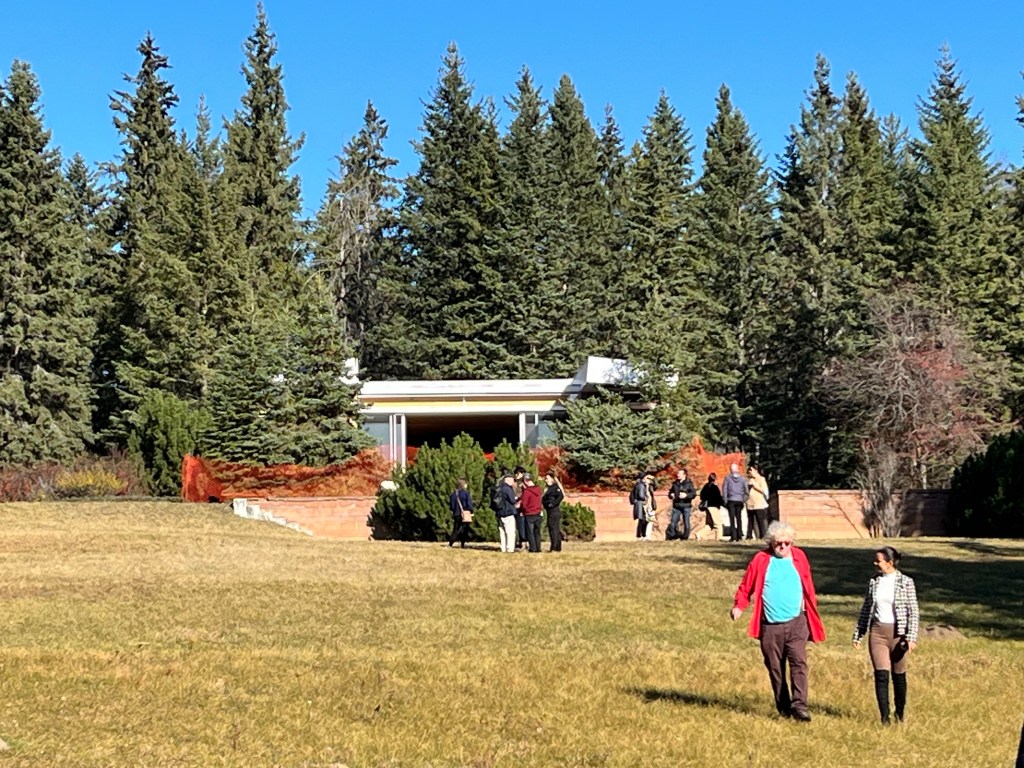
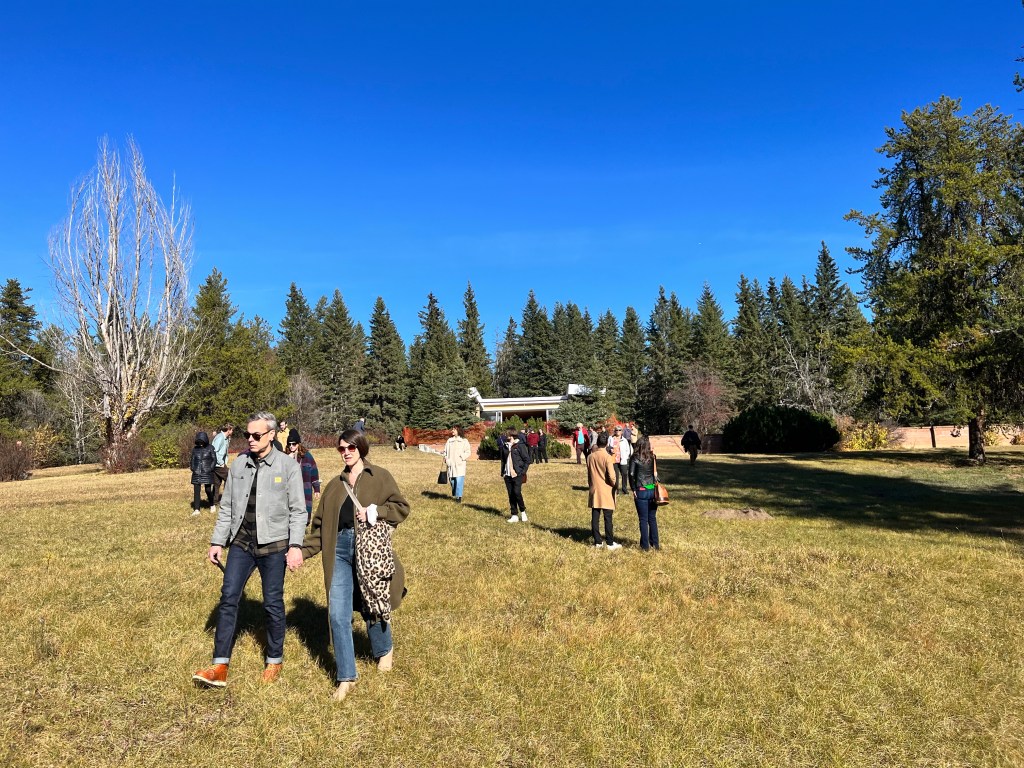
In mid-October I was fortunate to be able to visit and tour the Dyde House and property on the edge and of the Devonian Botanical Gardens outside of Edmonton. The event, organized by the Arthur Erickson Foundation introduced designers and architects and interested members of the public to this jewel of a house. It is reached by a walk through the woods just beyond the Japanese Garden and the spectacular new Islamic Garden that was generously funded by the Aga Khan Foundation.
The Dyde House now owned by the University of Alberta is in need of donations for restoration “after six decades of exposure to Alberta’s harsh winters.”
Bobby and Sandy Dyde
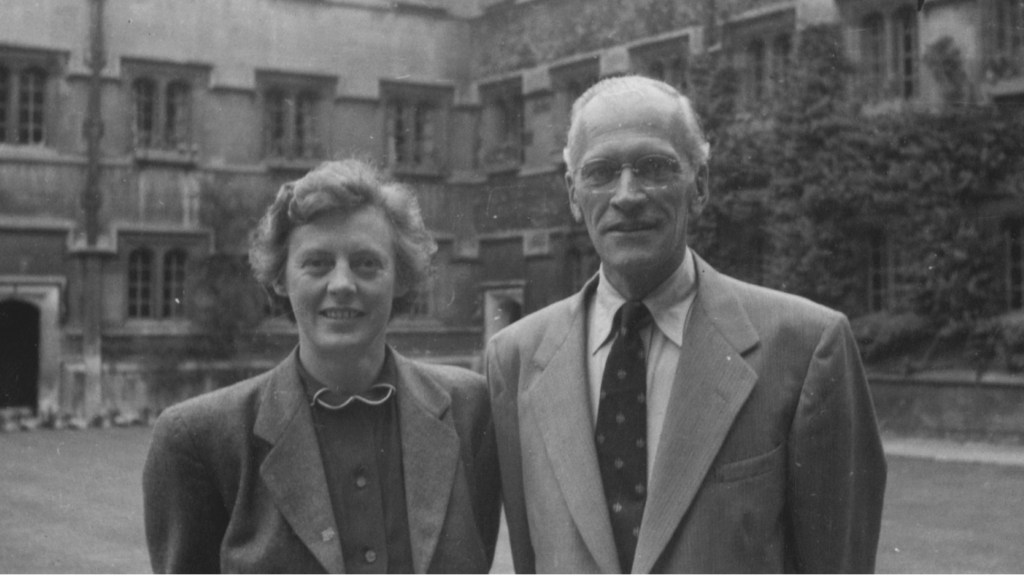
Dorothy “Bobby” Reynolds Plaunt (1906-1979) married Edmonton lawyer H.A. (Sandy) Dyde (1896-1976) in 1949 while he was working in Ottawa for the federal government. They returned to Edmonton in 1949 and became involved in the Edmonton arts community, with Bobby acquiring paintings by noted Canadian artists. and serving as the first female trustee of the National Gallery of Canada. The Dydes donated the land for Devonian Garden in 1959. [The house was later donated by the heirs of the Dyde family.] (From the Alberta Provincial Archives)
Lawyer and civil servant, Henry Alexander “Sandy” Dyde was a member of an Edmonton family prominent in law, politics and religion…. He was a partner in the law firm Milner, Steer, Dyde in Edmonton from 1924 to 1969. [He fought in WWI.] During World War II, he acted as Military Secretary to the Minister of Defence. He was a lecturer in law and political science at the University (1920s-1940s). Throughout his life he was active in the Liberal Party, supported several local arts organizations, and was a benefactor to the University. [From the University of Alberta Library Archives.]
The Canadian art collecting Dyde family – Sandy along with Bobby, his talented art historian wife – summered with their family and friends here.
The Dyde’s desire to maintain the privacy of their summer residence meant that this third private residence by Canadian West Coast architect Arthur Erickson was never documented in the articles and books about his achievements. While he also designed the University of Lethbridge, this is the sole residential building Erickson designed on the prairies. Three years later he would design Simon Fraser University. And later, the Museum of Anthropology at the University of British Columbia, the Washington D.C. Canadian Embassy, Toronto’s Roy Thomson Hall , the Abu Dhabi Etisalat Tower, and the San Diego Convention Centre.
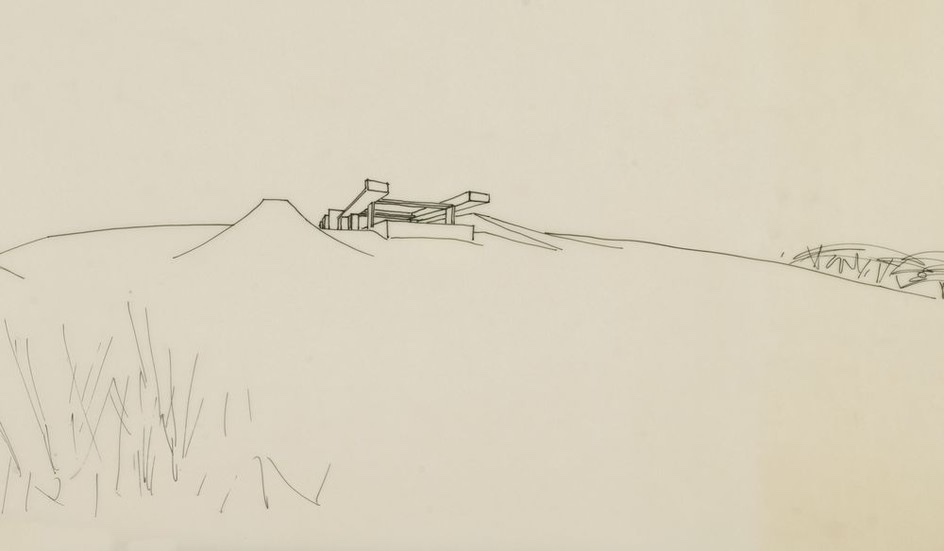
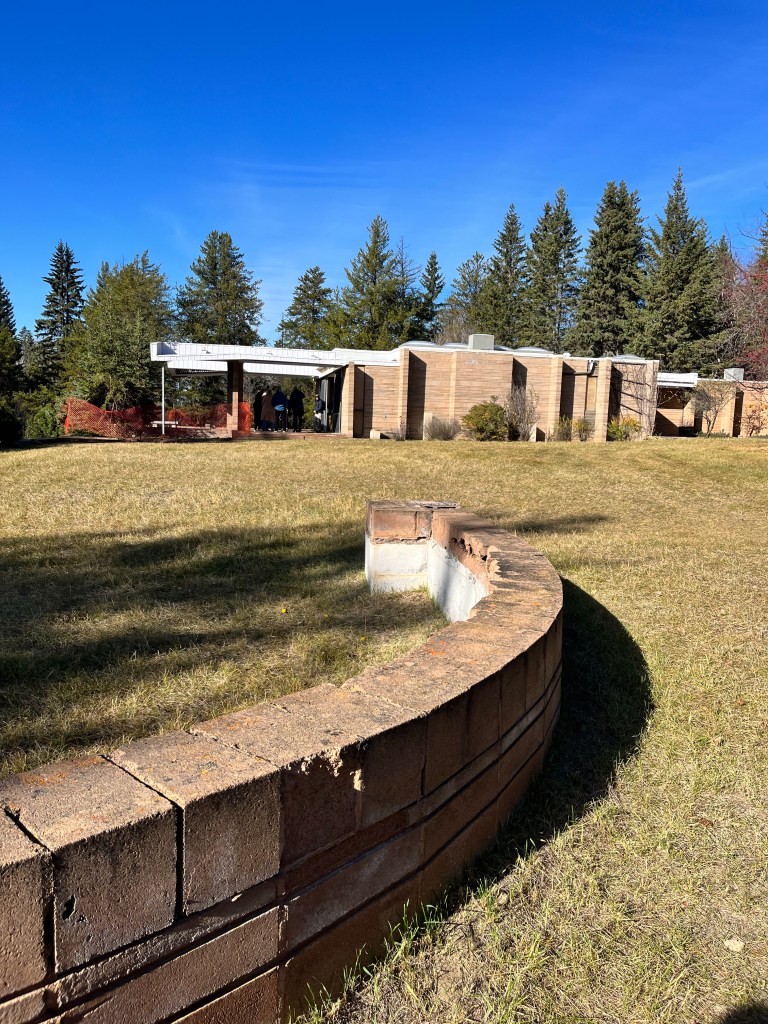
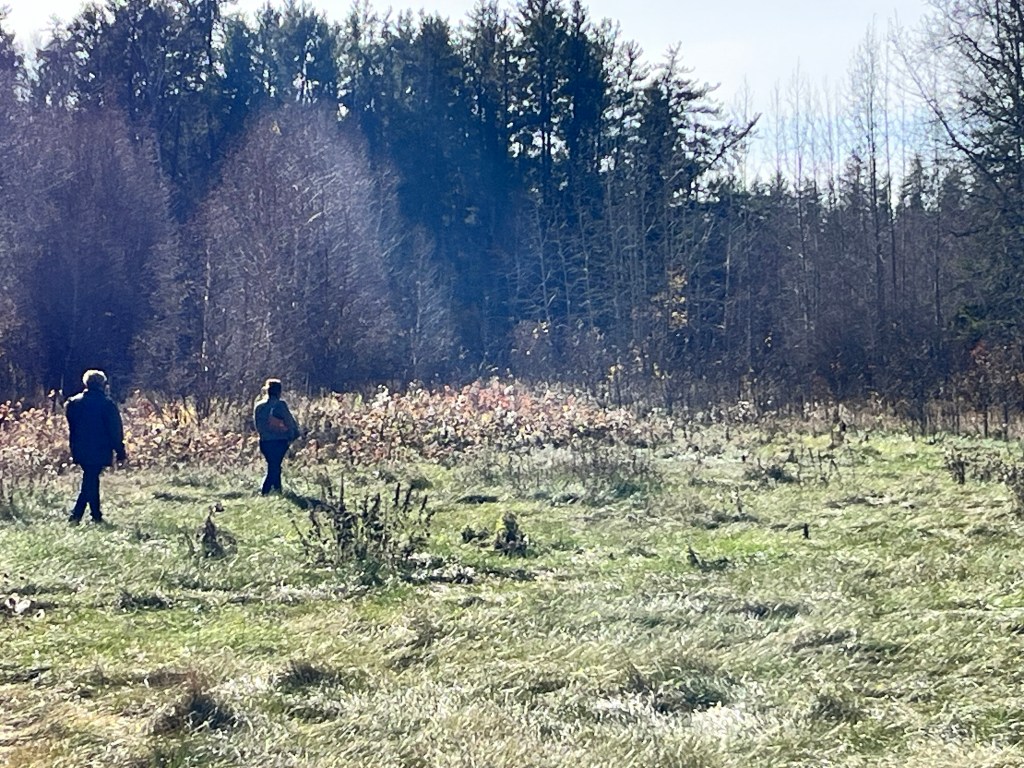
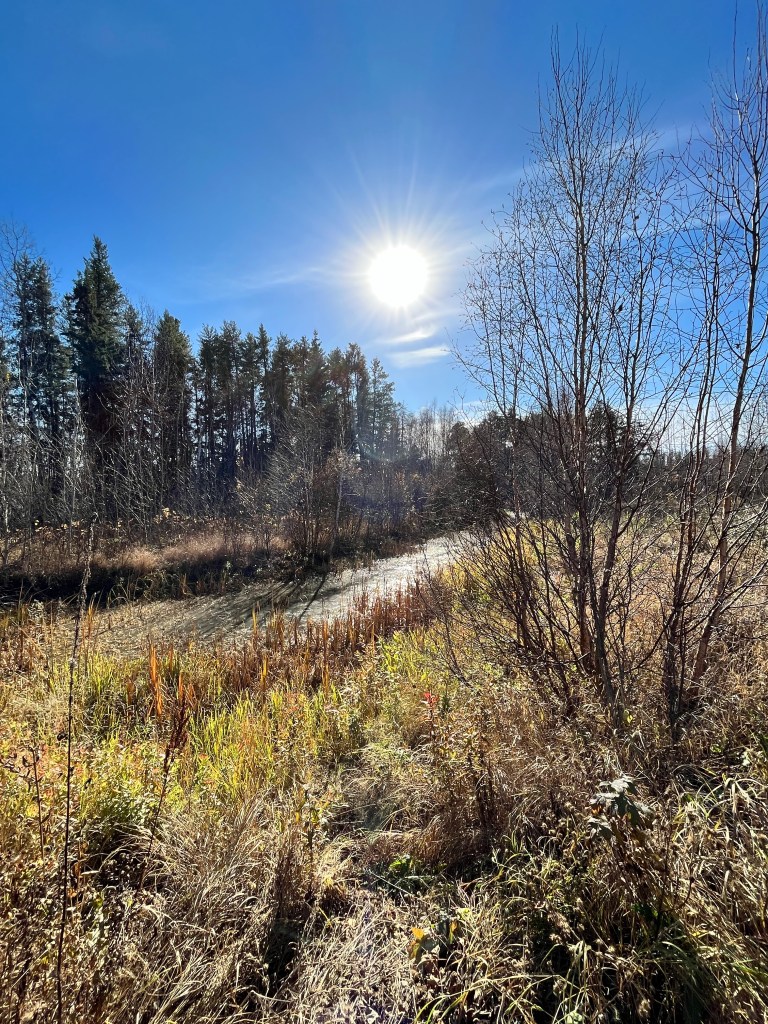
Every detail of the Dyde House was carefully planned. Sandy and Bobby Dyde and Arthur Erickson walked the fifty-acre property searching for the perfect spot for the house. At the top of a long incline descending to a pond, they found their vantage point and building site. Erickson also designed the changes to the landscape around the house. An original berm created by Erikson and visible in his pencil drawing above was flattened by the Dydes at a later date and thus not visible in my photographs of the building.
While the University of Alberta Administration recently shamefully bulldozed three beautiful historical “Ring Houses” at the centre of main campus in spite widespread opposition and public outcry, it is hoped they will find the wherewithal to restore the Dyde House. So if you know of any individual donors or wealthy benefactors interested in architectural history, send them to the fundraising page.
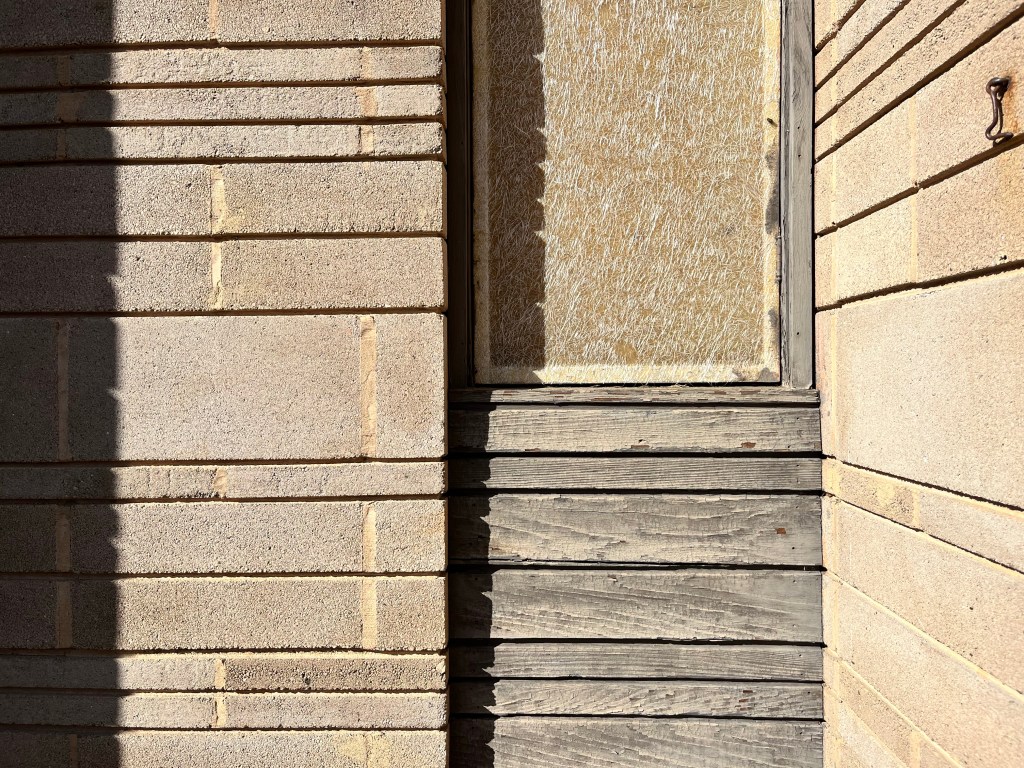
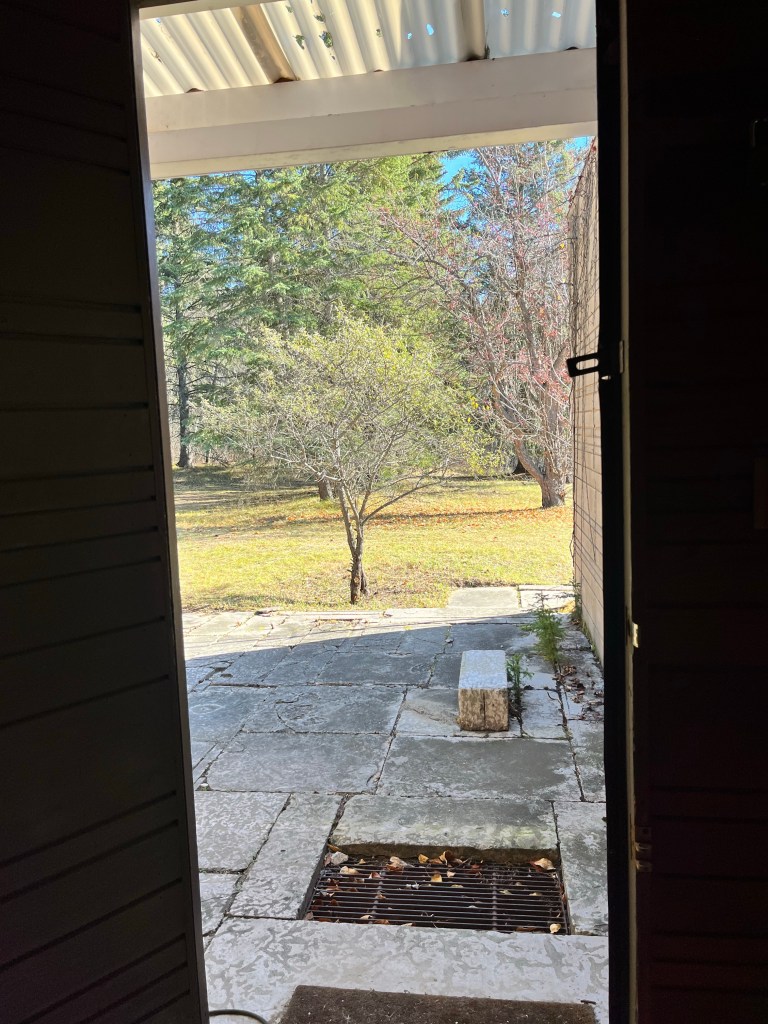
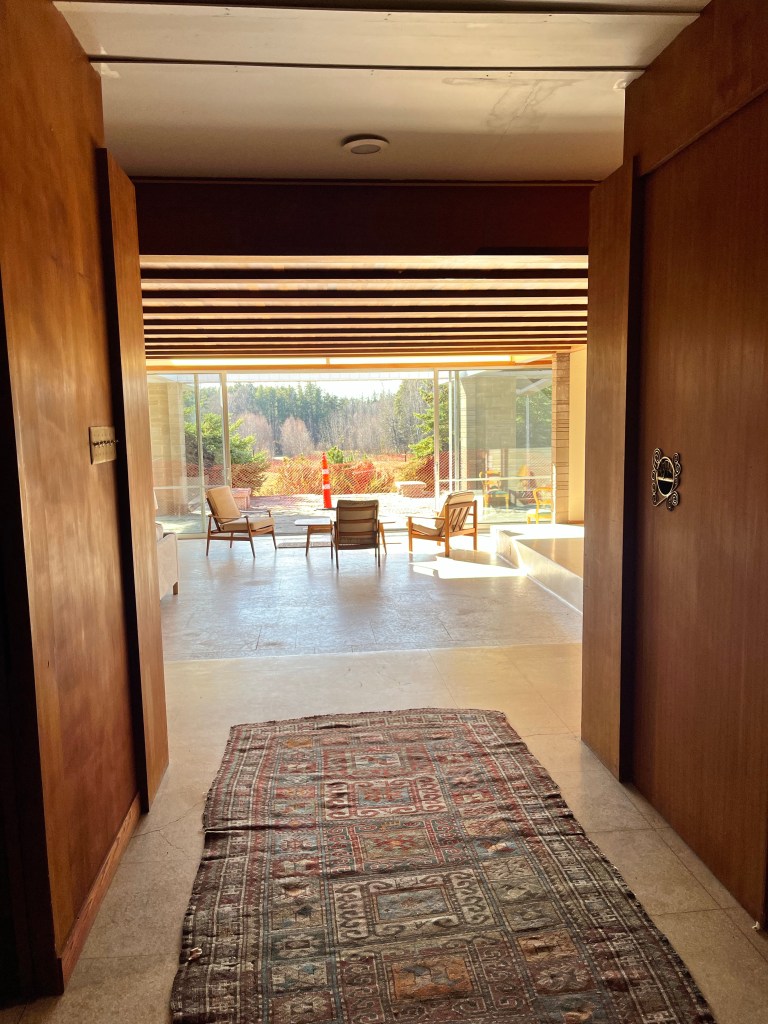
My tour in October introduced me to a very special space in Alberta’s history. And I offer a few photographs and captions to give you a sense of the Dyde House.
Entering in: October 2023
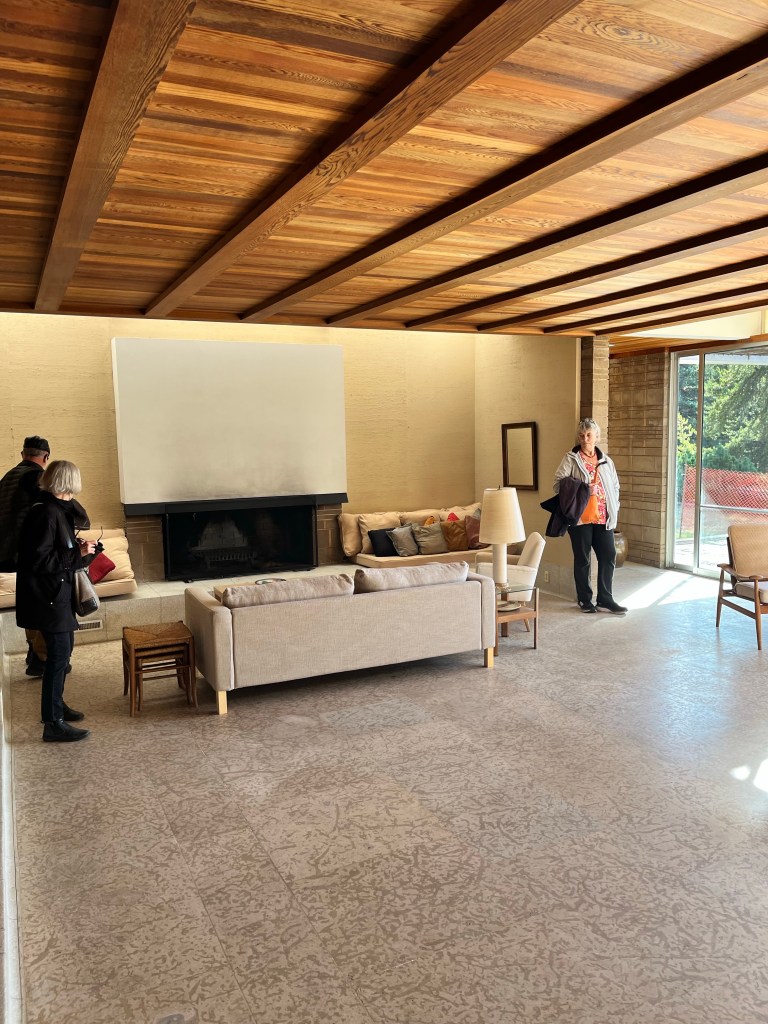
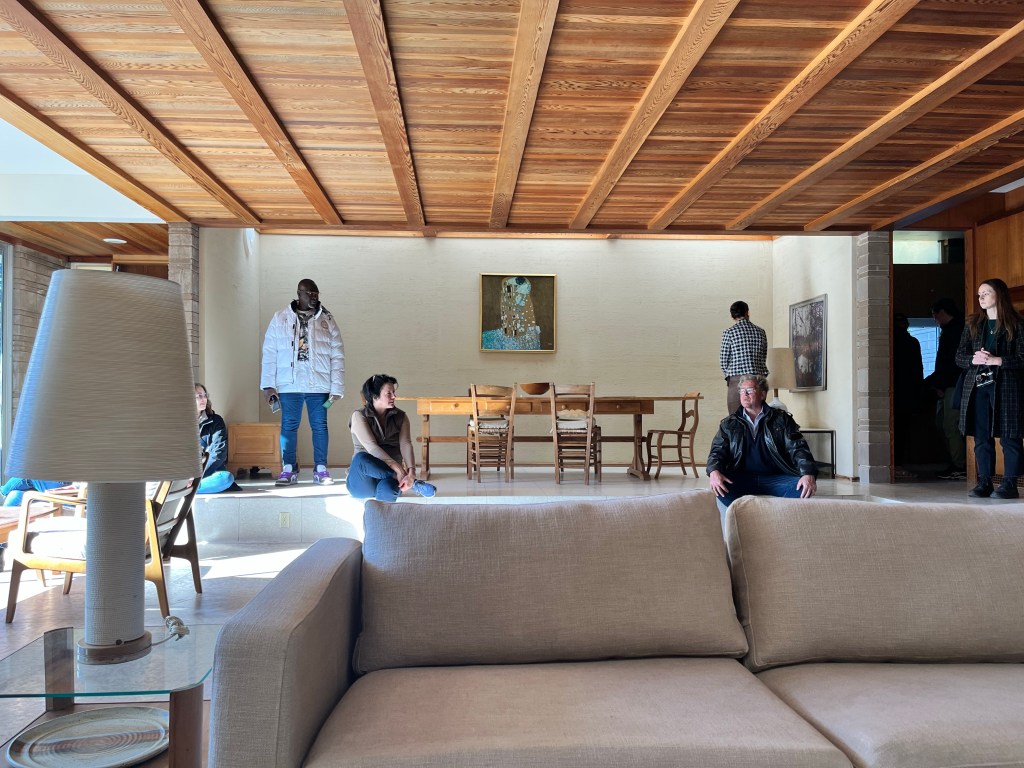
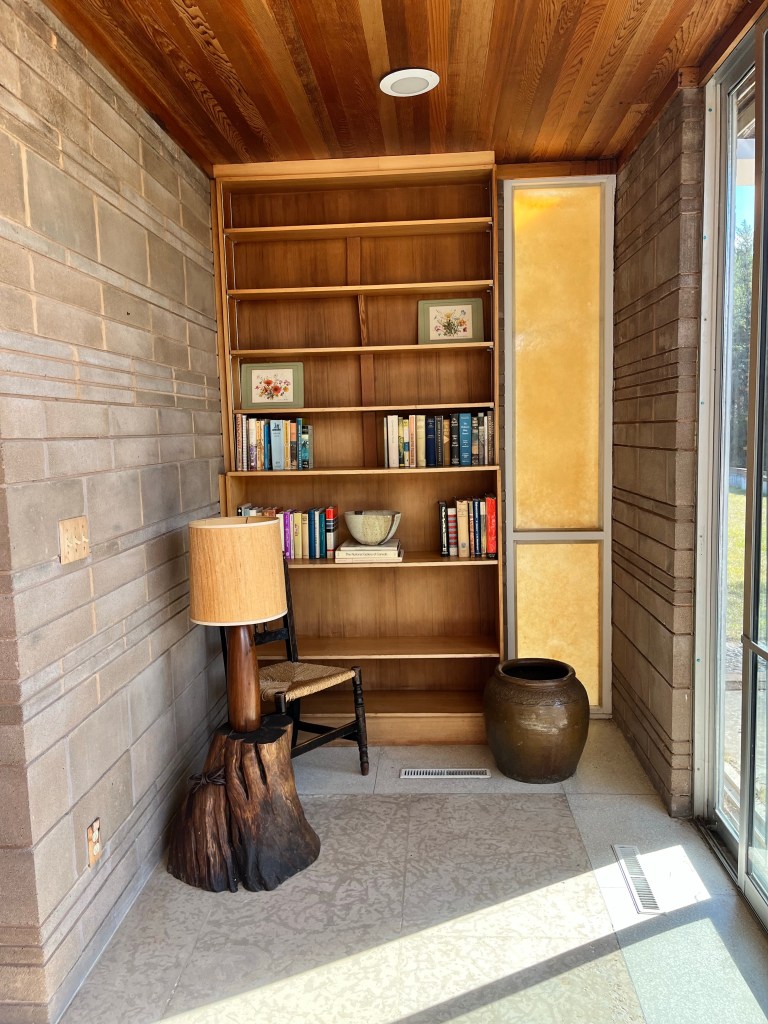
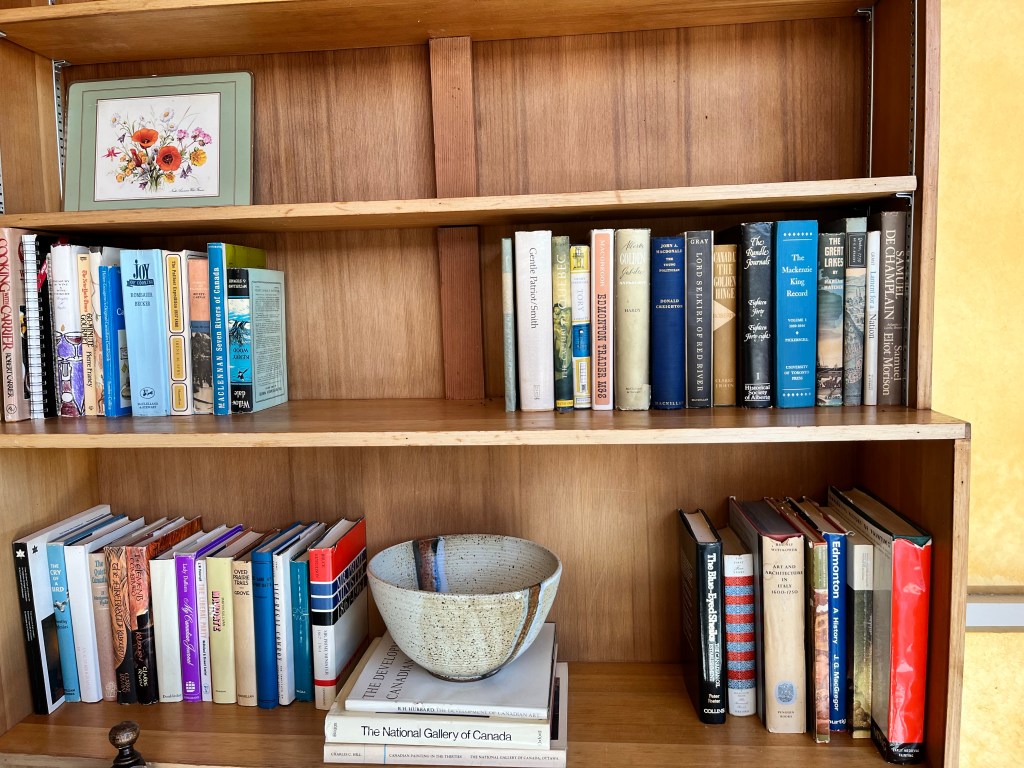
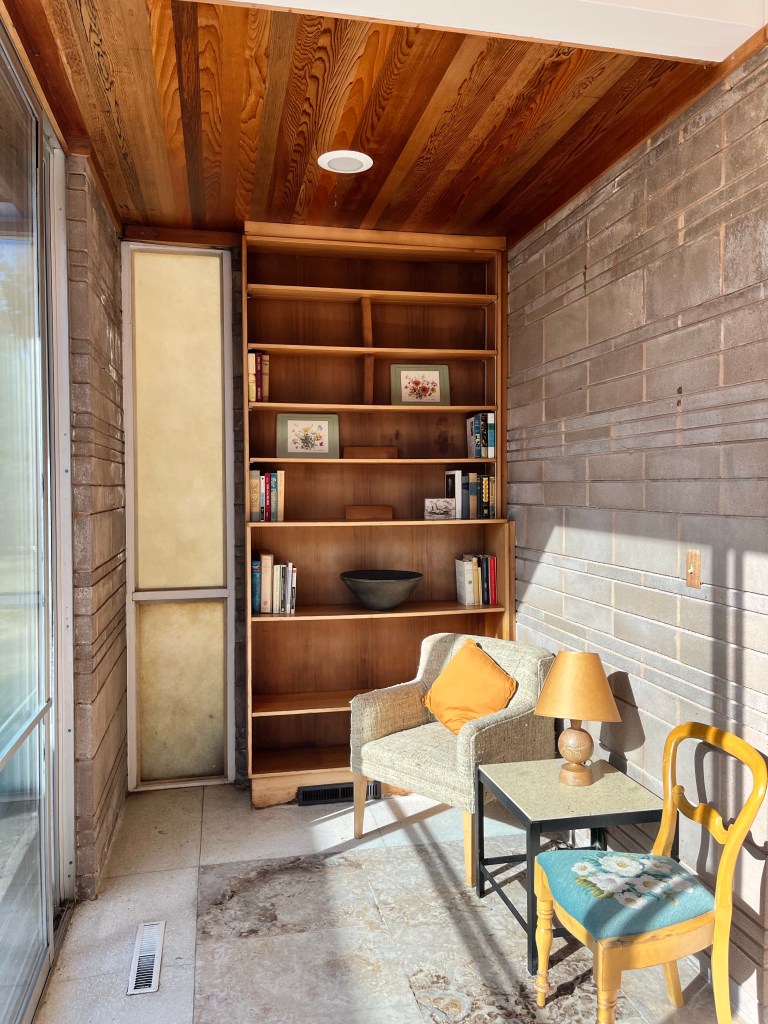
Twin library alcoves look onto the grounds
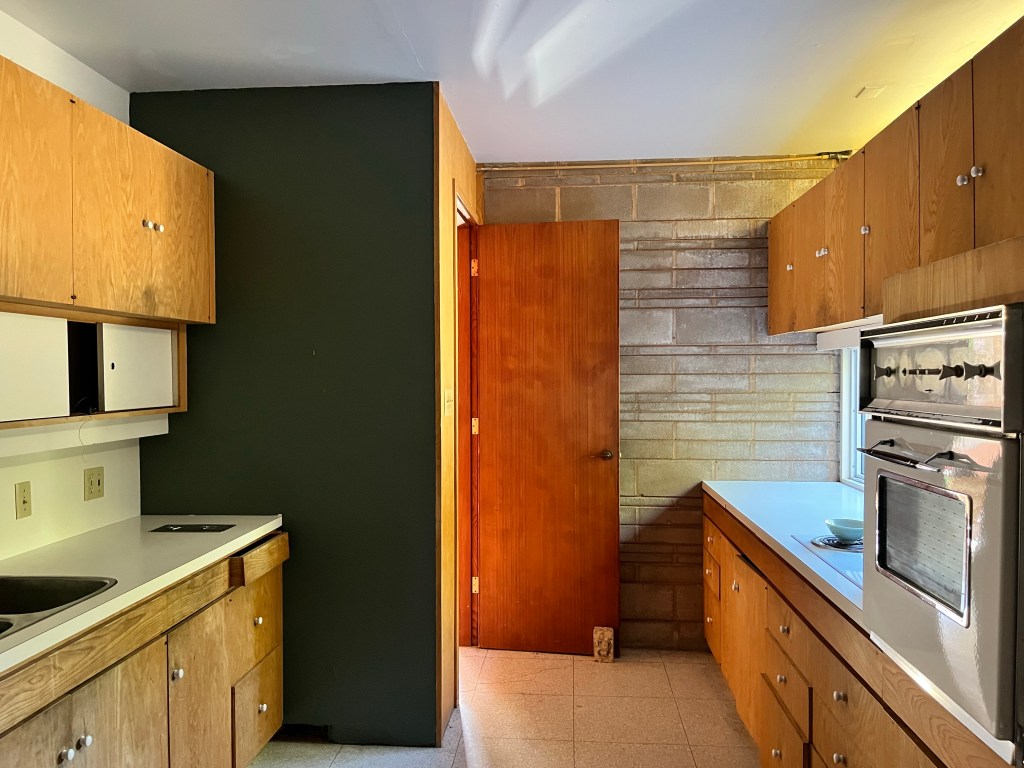
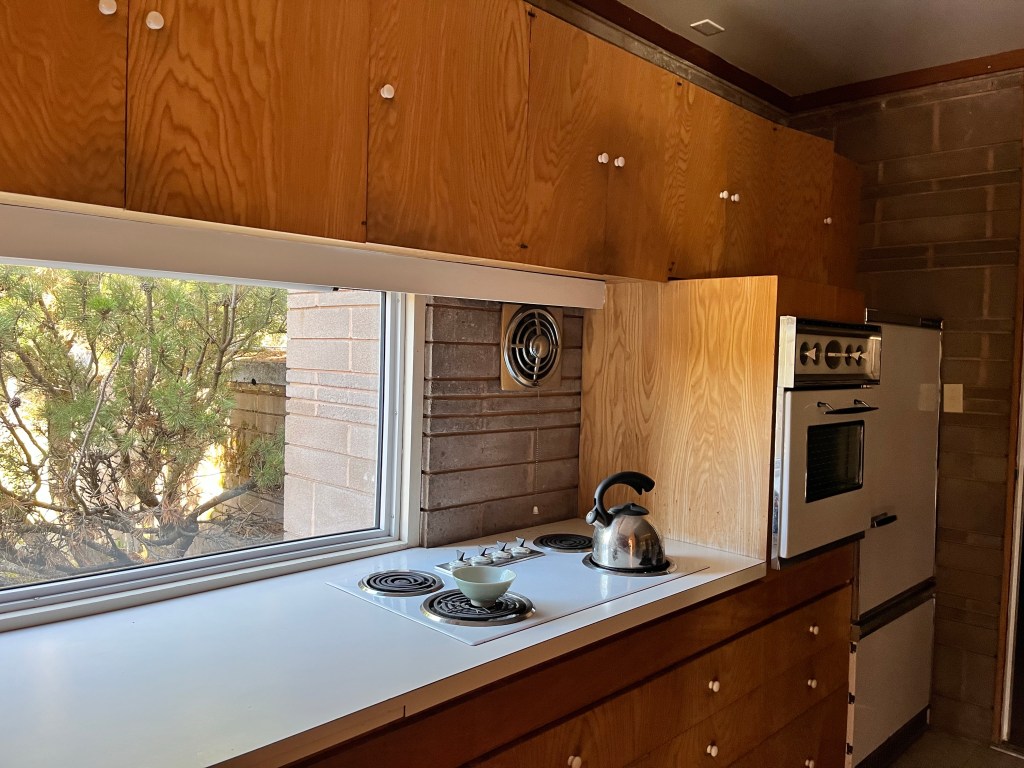
Kitchen Delight
The Bedrooms
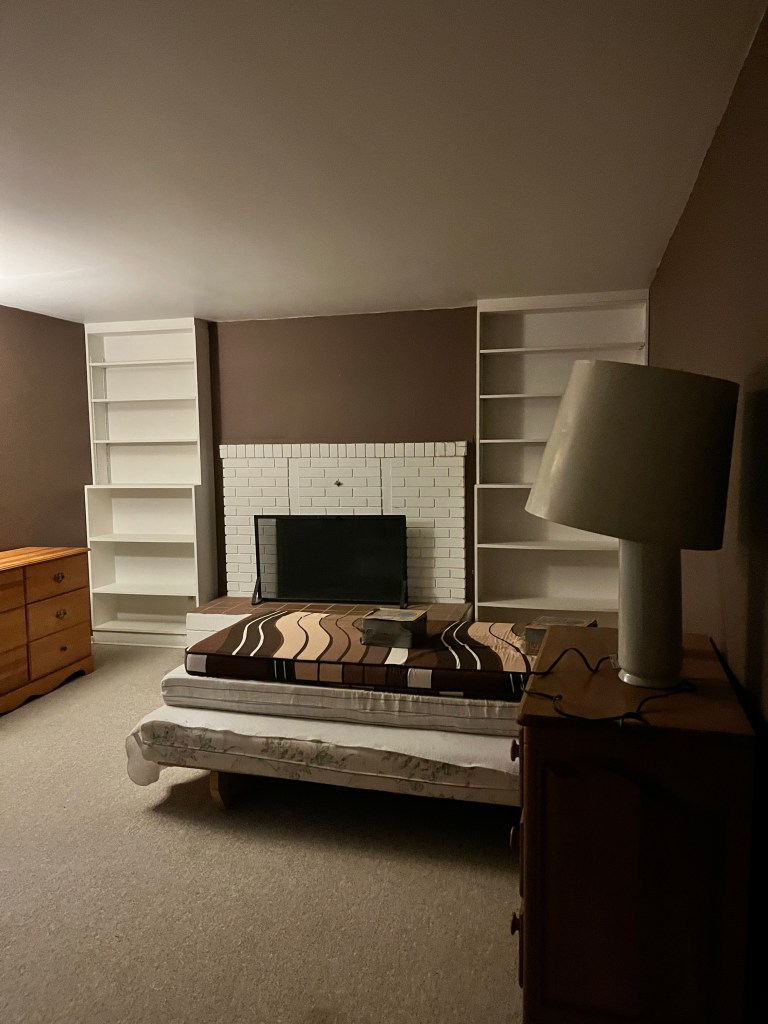
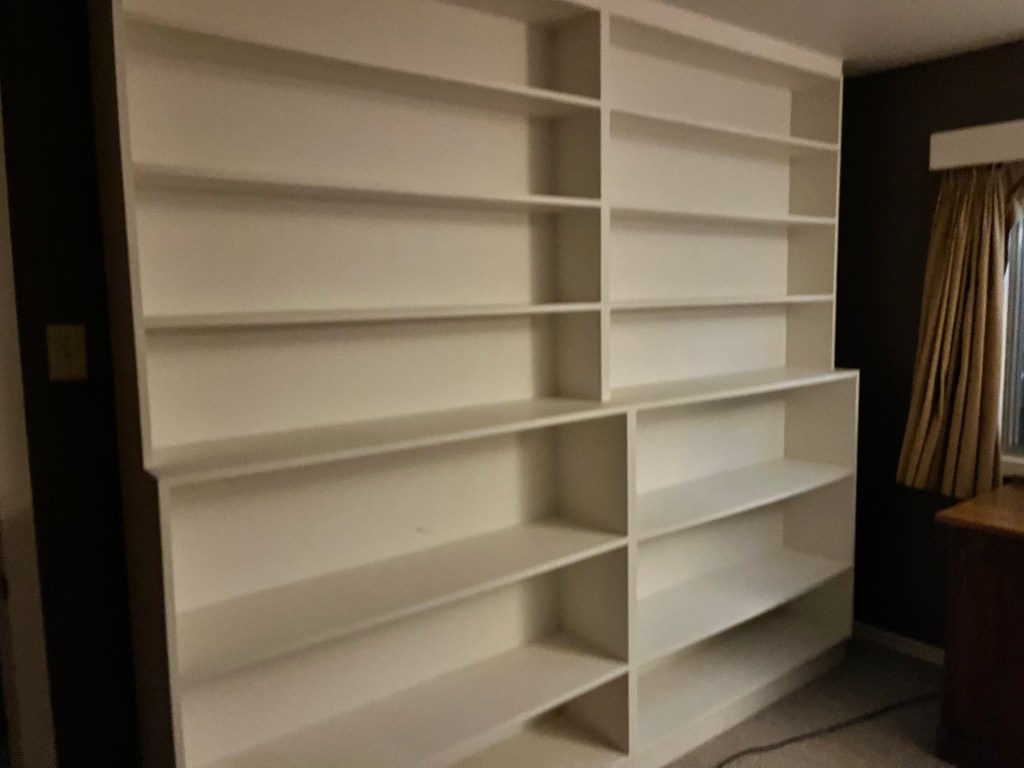
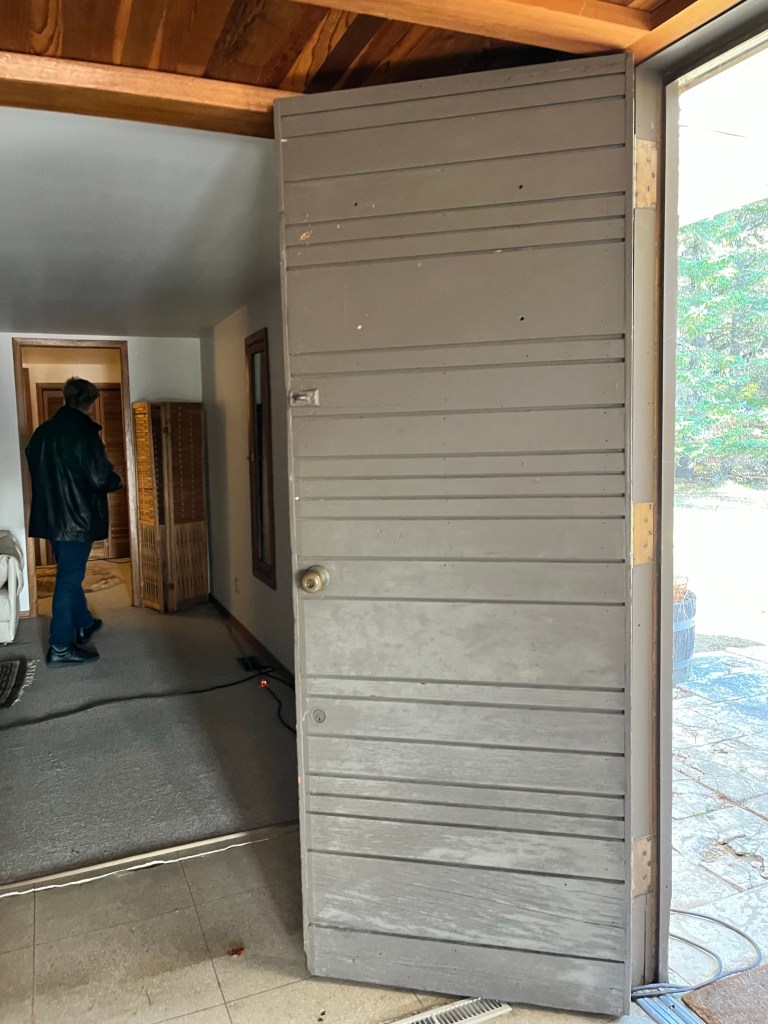
A Quick Tour of the Living Area
My knowledge of the house from architectural writer and historian Trevor Boddy informs this post. Boddy, native of Edmonton and resident of Vancouver, and Edmonton architect Barry Johns have been spearheading the campaign to restore this beautiful house. Trevor narrates the tour in the two videos below.
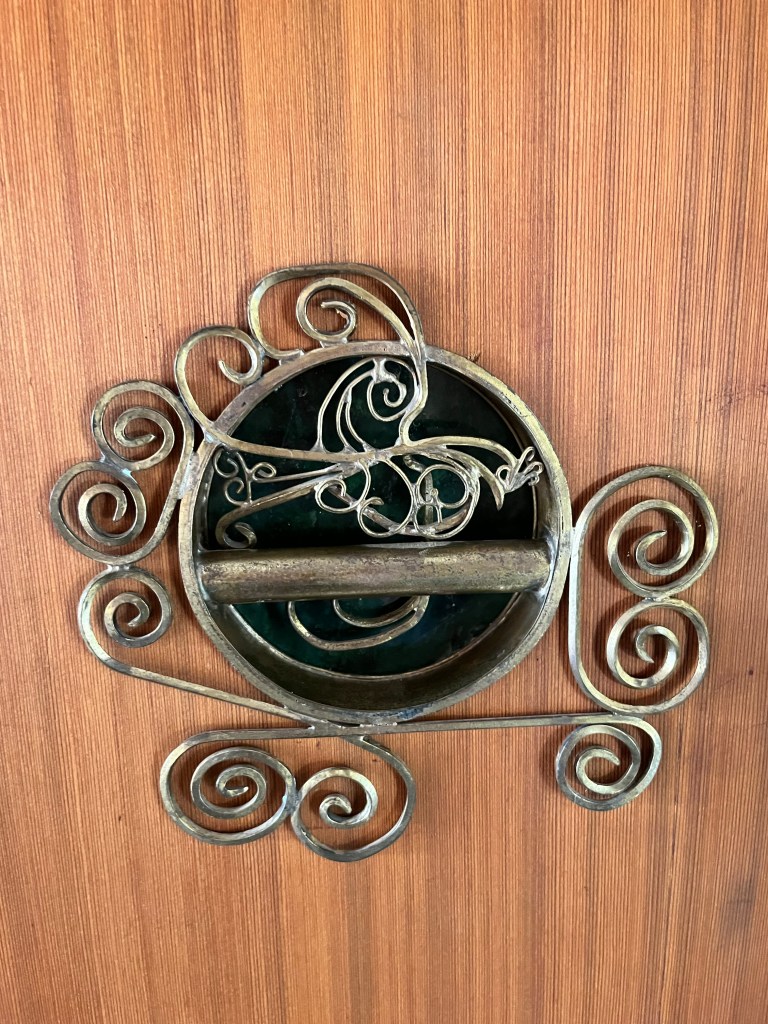
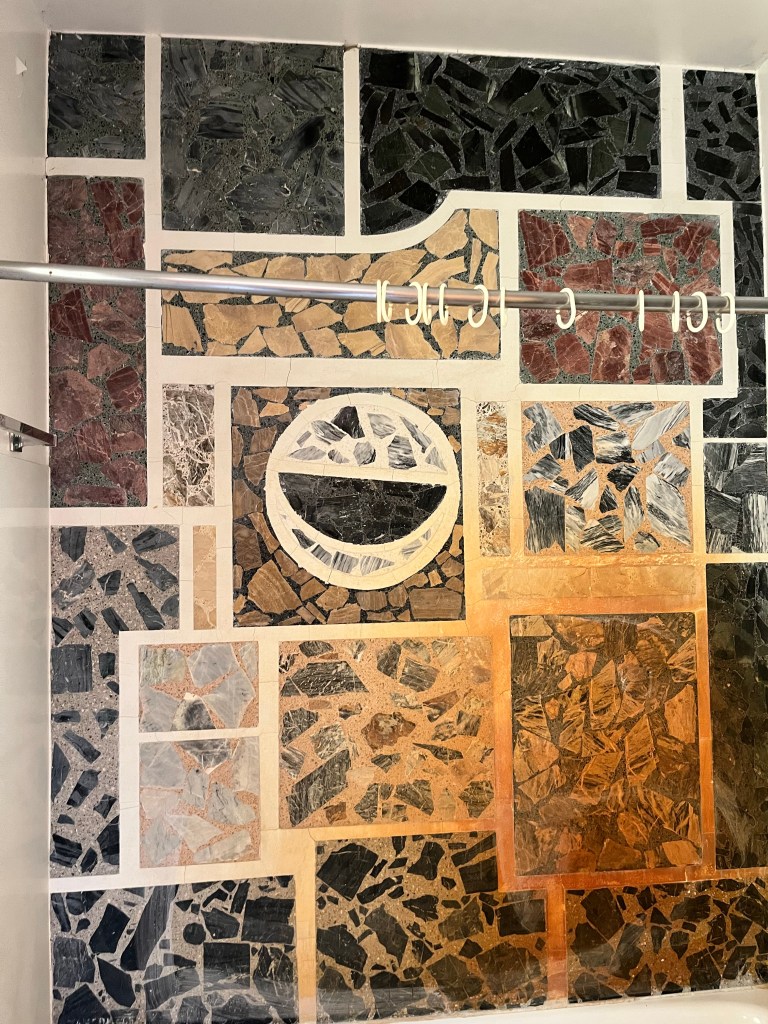
Details
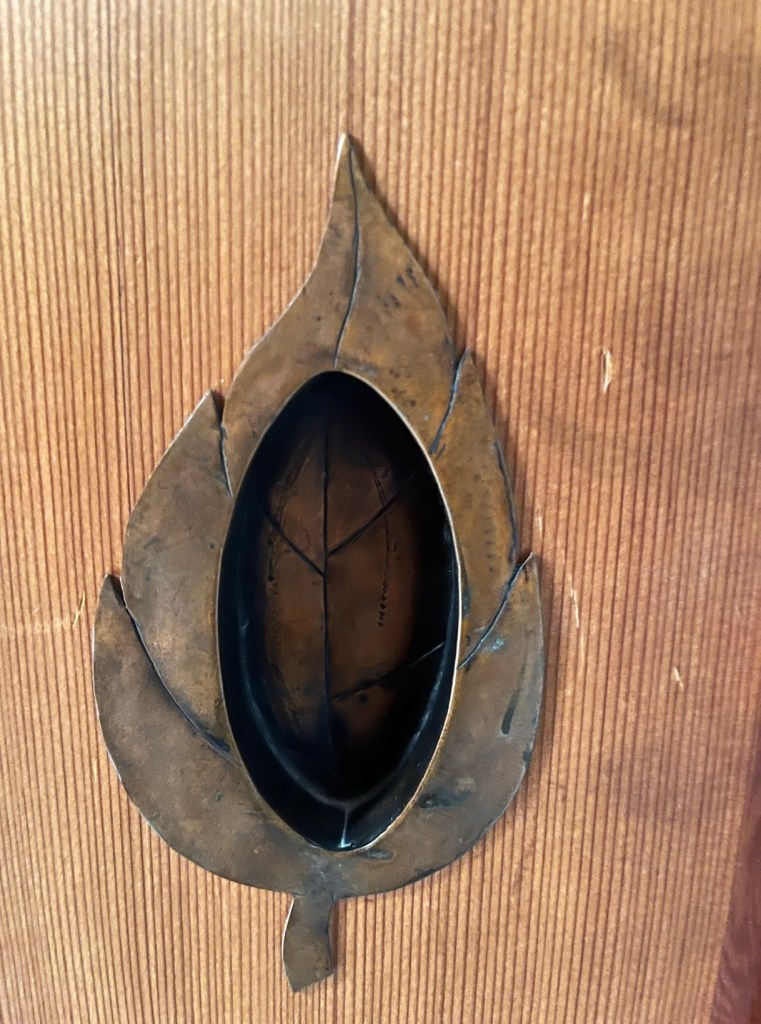
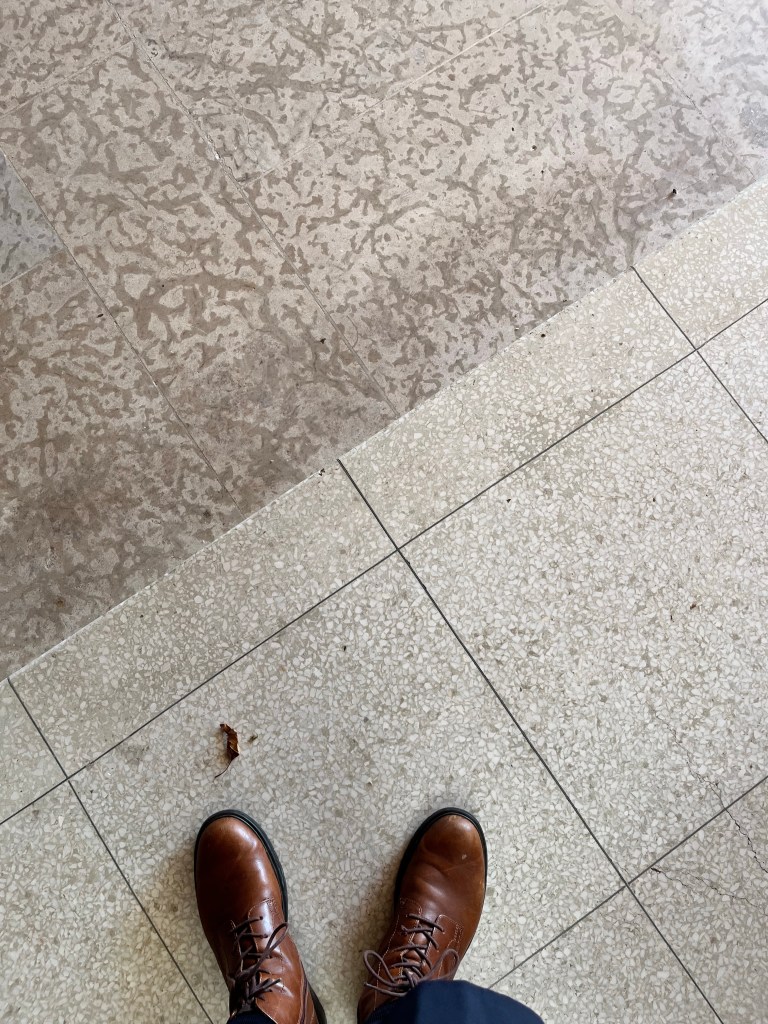
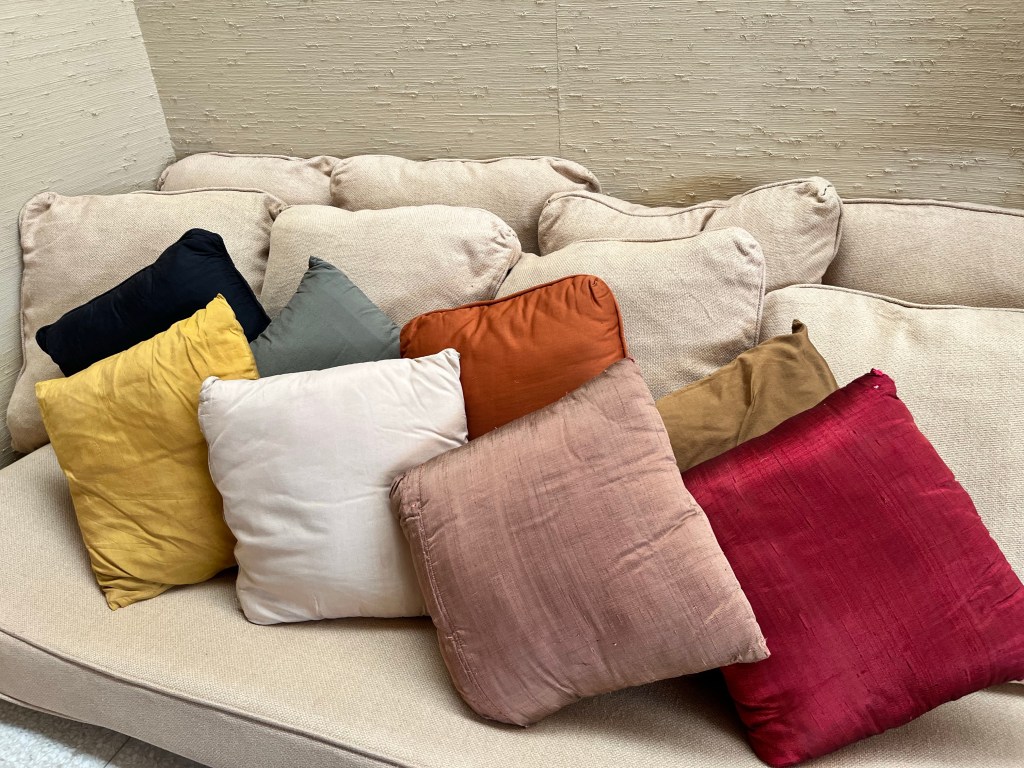
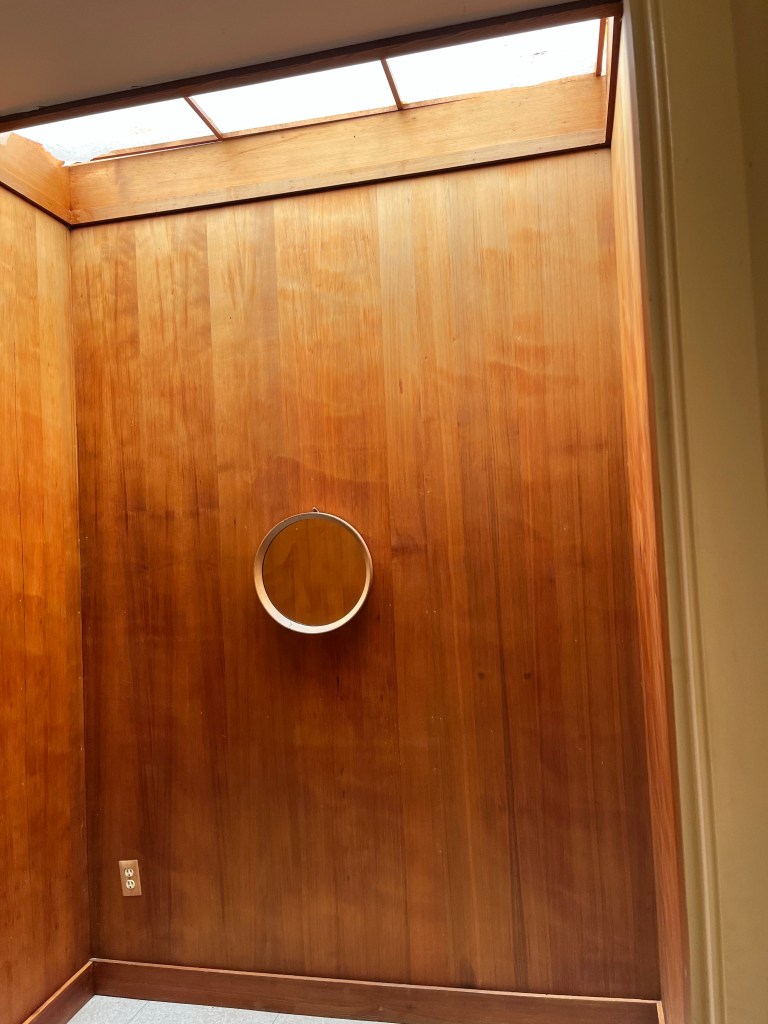
The Landscape and Pond
Note
A new documentary film by Sticks & Stones Production supported by the Edmonton Historical Board Arthur Erikson’s Dyde House premiered in October 2023 at the Art Gallery of Alberta, Edmonton.
Dr. Lee Foote, former Director of the Devonian Botanical Gardens, was interviewed in 2016 about the Dyde House:
Former Edmonton Journal columnist now Senator Paula Simons wrote about the Dyde House in 2015.

 No Gate No Lock
Janice.williamson@ualberta.caSent from my GalaxyThis is such an appropriate post, Janice, regarding the Devonian landscape and its treasures. This time I, Sharon and Jenny went and spent a good part of the day roaming and admiring the beauty of it. If you haven’t sent this post to Sharon, please do. She would enjoy it so much.Thinking of you so muchFlorence 😊💕
LikeLike
So good to hear from you Florence…will send to Sharon. Chat soon via zoom. I’ve got the 12 hour time difference organized in my schedule now!
LikeLike